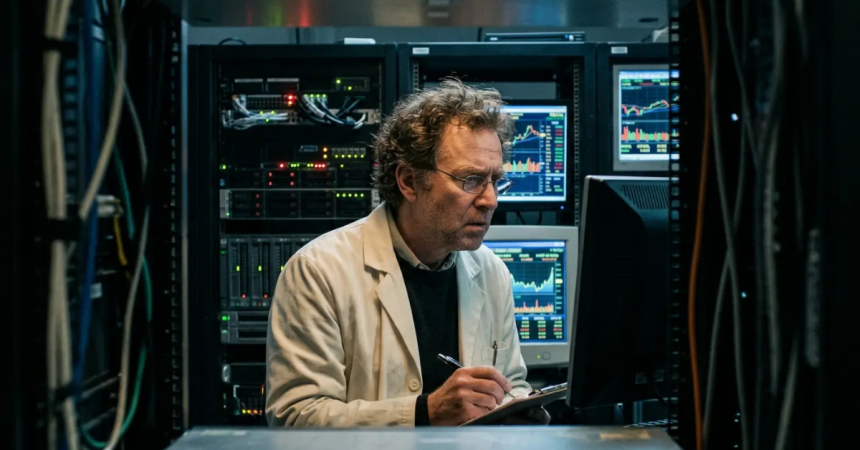
Innovation often begins long before it reaches consumers. Inside research laboratories, scientists and engineers are exploring solutions to some of today’s biggest challenges—from energy efficiency and artificial intelligence to healthcare and advanced materials.
Researchers at Massachusetts Institute of Technology have recently introduced several projects that highlight how emerging technologies may influence industries, businesses, and everyday life in the years ahead.
Smarter Artificial Intelligence Systems
Artificial intelligence continues to evolve rapidly, and researchers are working on ways to make AI systems more efficient, reliable, and transparent.
Recent developments have focused on:
- Improving the accuracy of AI-generated information
- Reducing computing power requirements
- Enhancing human-AI collaboration
- Creating systems that can explain their decision-making processes
These advancements may help organizations adopt AI tools more effectively while maintaining oversight and accountability.
New Approaches to Sustainable Energy
Energy remains one of the world’s most important technological challenges.
MIT researchers are exploring innovations that could improve:
- Battery storage capacity
- Renewable energy integration
- Grid efficiency
- Energy management systems
As demand for electricity grows alongside emerging technologies, advancements in energy storage and distribution may play an increasingly important role in supporting modern infrastructure.
Advanced Materials for Future Applications
Scientists are also developing new materials with unique properties that could benefit manufacturing, transportation, and electronics.
Areas of exploration include:
- Lightweight composite materials
- Flexible electronic components
- High-performance semiconductors
- Durable construction materials
These innovations could eventually contribute to products that are more efficient, longer-lasting, and environmentally conscious.
Robotics and Automation
Automation technologies continue to expand beyond industrial environments.
Researchers are investigating robotic systems capable of:
- Assisting in logistics operations
- Supporting manufacturing processes
- Performing complex inspections
- Working safely alongside humans
The goal is not simply automation, but creating systems that can complement human skills in a wide range of settings.
Healthcare Technology Research
Medical technology remains a major area of scientific innovation.
Current research efforts include:
- Advanced diagnostic tools
- Wearable health monitoring devices
- AI-assisted medical analysis
- New biomedical engineering techniques
Many of these technologies are still under development, but they illustrate how research institutions continue exploring ways to improve healthcare delivery and patient outcomes.
The Growing Importance of Interdisciplinary Research
One trend seen across many MIT projects is the combination of multiple fields of expertise.
Computer scientists, engineers, physicists, biologists, and data specialists increasingly work together to solve complex problems that cannot be addressed by a single discipline alone.
This collaborative approach often accelerates innovation and helps researchers identify practical applications for emerging discoveries.
Looking Ahead
While many experimental technologies require years of testing and refinement before widespread adoption, research institutions like MIT continue to provide a glimpse into possible future developments.
Advances in artificial intelligence, energy systems, robotics, healthcare technology, and advanced materials demonstrate how scientific research may influence industries and everyday life over the coming decade.
For businesses, students, technology enthusiasts, and curious observers, keeping an eye on emerging research trends can offer valuable insight into the innovations that may shape tomorrow’s world.
Disclaimer: This article is provided for informational and educational purposes only. Technologies discussed are based on ongoing research and development efforts. Future commercial applications, performance, and adoption may vary.